Author’s Note
This open letter is written in a strictly civic and intellectual spirit. It is primarily addressed to the public, aiming to foster collective reflection and democratic debate on the alarming rise of antisemitism in the Netherlands. My intention is in no way to substitute for official institutions, but rather to alert, question and encourage civic vigilance, in the spirit of responsibility and openness that marks the European tradition of public debate.
Open Letter to His Majesty the King of the Netherlands on the Alarming Rise of Antisemitism
Paris, November 4, 2025
To His Majesty King Willem-Alexander
Noordeinde Palace
Noordeinde 68
2514 GL The Hague
Netherlands
Your Majesty,
Allow me respectfully to draw your attention to the concerning evolution of antisemitism within the Kingdom of the Netherlands, a phenomenon whose gravity is increasing and which challenges the entire democratic fabric of our societies.
In 2024, the Netherlands witnessed a rapid surge in antisemitic incidents, reaching 421 recorded cases—an 11% year-on-year increase and one of the sharpest escalations in Western Europe. This rise has deeply alarmed the Jewish community and signals a growing normalization of hate. The phenomenon is aggravated by online polarization and significant educational shortcomings regarding Holocaust memory: nearly a quarter of Dutch young people surveyed view it as a myth or exaggerated account, revealing a substantial issue in transmitting historical awareness. Against this backdrop, an urgent civic, educational, and institutional mobilization is recognized as essential.
Multiple factors contribute to this increase: the proliferation of hostile discourse online, weakening civic and memorial transmission, challenges in the integration of some youths from immigrant backgrounds, and the direct impact of recent international events. History adds gravity to the situation: over 70% of Dutch Jews were deported during the Holocaust, the highest rate in Western Europe.
In response, the Dutch government has, since November 2024, reinforced prevention and protection measures, allocating €4.5 million annually to combating hate and safeguarding community facilities. Efforts targeting the spread of hate speech online have likewise been strengthened. However, deeper educational engagement is required, notably in teacher training and embedding democratic values throughout the curriculum.
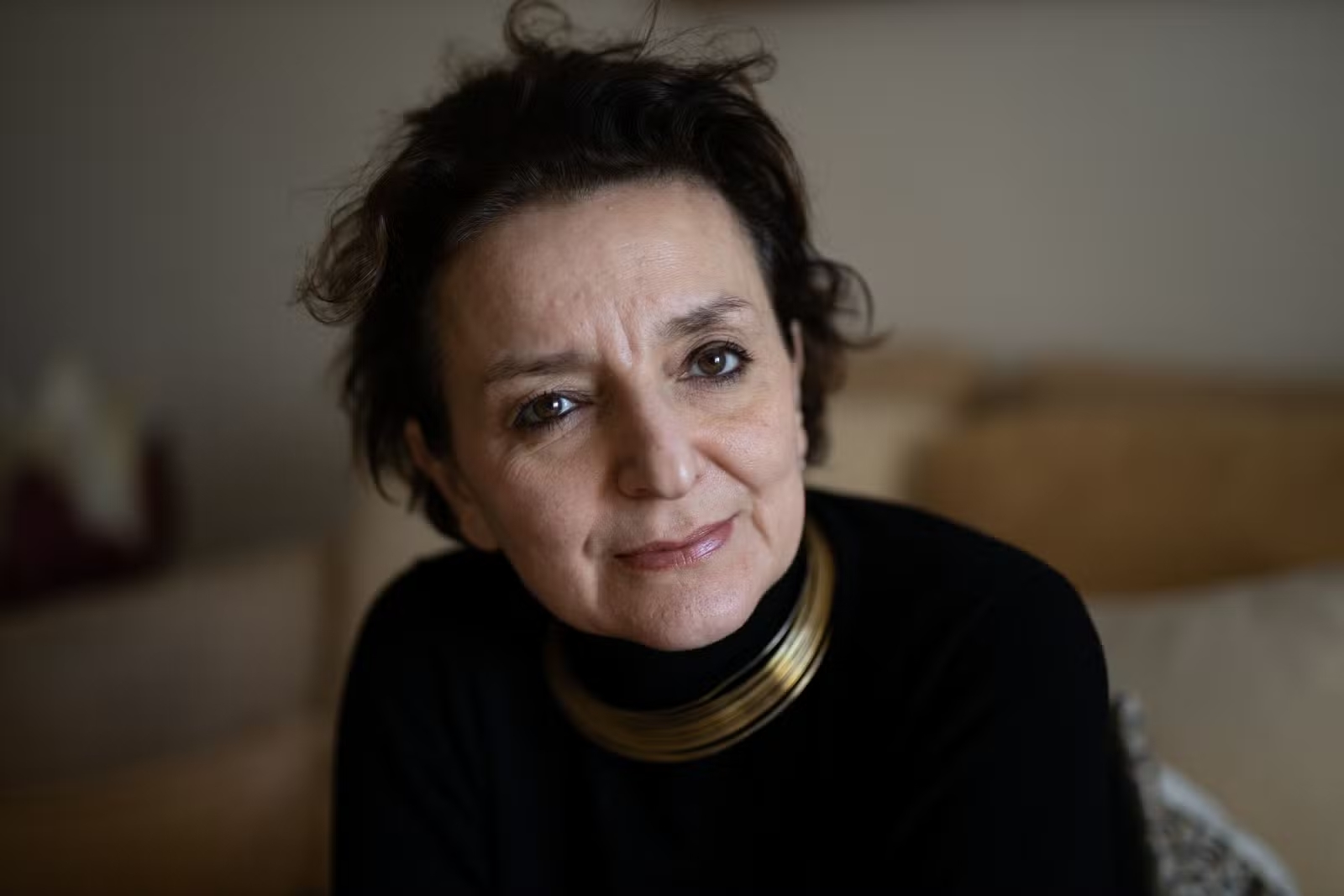
A recent episode, the disinvitation of sociologist Eva Illouz by Erasmus University Rotterdam solely due to her affiliation with the Hebrew University of Jerusalem, highlighted the fragility of core principles of pluralism and academic freedom. Such a decision—excluding a respected intellectual for her academic trajectory—has been interpreted by many observers as a worrying conflation of political controversy and identity-based discrimination, and should alert us to the risk of normalizing new forms of exclusion.
Thus, through the objective escalation of antisemitic acts and the multiplication of warning signs, the imperative is made clear: to safeguard social cohesion and to defend universities as domains of enlightened pluralism. It is vital to equip youth against all forms of rejection of the Other, and to nurture, in civic space, both lucid memory and active vigilance.
Confident in the capacity of the Kingdom to embrace this commitment—and convinced that the leadership of the Crown will play an exemplary role in this battle for the future—I beg Your Majesty to accept the assurance of my highest consideration.
Marc Knobel is a historian and research associate at the Jonathan Institute in Brussels.